
Table of Contents
The Ultimate Guide on How to Use AI Tools in Marketing
Artificial intelligence is no longer just a futuristic concept; it is the driving force behind modern business strategies. Marketers across the globe are leveraging advanced algorithms to work smarter, not harder. Whether you are a small business owner or a digital strategist at a large enterprise, understanding the practical applications of these technologies is crucial for staying competitive. This comprehensive guide will explore the most effective strategies for integrating artificial intelligence into your daily operations, allowing you to maximize return on investment, streamline repetitive tasks, and ultimately create a more engaging experience for your target audience. By embracing these innovations, you can transform your entire promotional ecosystem.
One of the most visible impacts of artificial intelligence is in the realm of content generation. Generating fresh, engaging ideas consistently is a significant challenge for any creative team. Today, advanced language models can assist with everything from brainstorming blog post topics to drafting initial outlines and writing compelling social media captions. These applications act as a collaborative brainstorming partner that is available around the clock.
However, it is essential to remember that artificial intelligence should not replace your human writers. Instead, it should augment their capabilities. A successful approach involves using algorithms to handle the heavy lifting of initial research and structure, allowing human creators to focus on injecting brand voice, emotional resonance, and strategic nuance. By combining machine efficiency with human creativity, brands can scale their content production without sacrificing quality or authenticity. Furthermore, these platforms can generate multiple variations of ad copy, enabling marketers to A/B test messaging at an unprecedented scale to discover what resonates best with their audience.
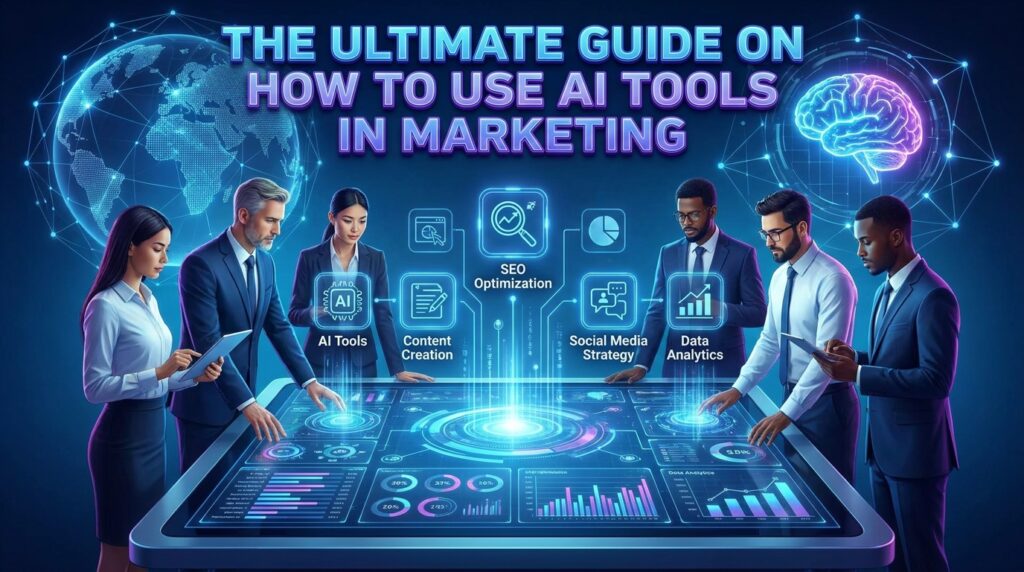
Generic, one-size-fits-all messaging is rapidly becoming obsolete in today’s digital landscape. Consumers now expect highly personalized interactions tailored to their specific needs and preferences. Algorithms excel at processing vast amounts of consumer data—including browsing history, purchase behavior, and demographic information—to uncover hidden patterns. This capability allows marketers to create highly granular customer segments that would be virtually impossible to identify manually.
Once these hyper-specific segments are established, businesses can deliver hyper-personalized content, product recommendations, and promotional offers. For instance, an e-commerce platform can dynamically alter its homepage layout and product displays based on the individual visitor’s past interactions. This level of personalization significantly increases the likelihood of conversion, as customers are presented with solutions that directly address their unique pain points. Furthermore, predictive algorithms can anticipate a customer’s next move, allowing brands to proactively offer relevant products before the customer even realizes they need them.
Optimizing Digital Advertising Campaigns

Digital advertising budgets can easily be wasted if campaigns are not continuously monitored and adjusted. Artificial intelligence brings unparalleled efficiency to pay-per-click (PPC) and programmatic advertising. Machine learning models can analyze real-time campaign performance across multiple channels, automatically reallocating budgets to the best-performing ads and platforms without requiring manual oversight.
These systems can also optimize bidding strategies in real-time ad auctions, ensuring that advertisers pay the optimal price for every impression or click. By analyzing historical data and predicting future trends, algorithms can identify the exact moments when a target audience is most likely to engage with an advertisement. This precision targeting minimizes wasted ad spend and maximizes overall return on ad spend (ROAS). Additionally, automated platforms can continuously test different combinations of imagery, headlines, and calls to action, rapidly identifying the highest-converting variations.
Revolutionizing Email Marketing Strategies
Email remains one of the most effective communication channels, but standing out in a crowded inbox is increasingly difficult. Machine learning algorithms can analyze a subscriber’s past engagement with your emails to determine the absolute best time of day to send them a message. This send-time optimization ensures that your emails arrive precisely when the recipient is most likely to be checking their inbox, drastically improving open rates.
Beyond timing, artificial intelligence can craft highly personalized email subject lines designed to maximize curiosity and click-through rates. These tools analyze historical performance data to understand which words, phrases, and emotional triggers resonate best with your specific audience. Furthermore, dynamic content blocks within the email body can be automatically populated with personalized product recommendations or content articles based on the individual recipient’s profile, ensuring that every email feels bespoke.
Utilizing Chatbots for Superior Customer Support
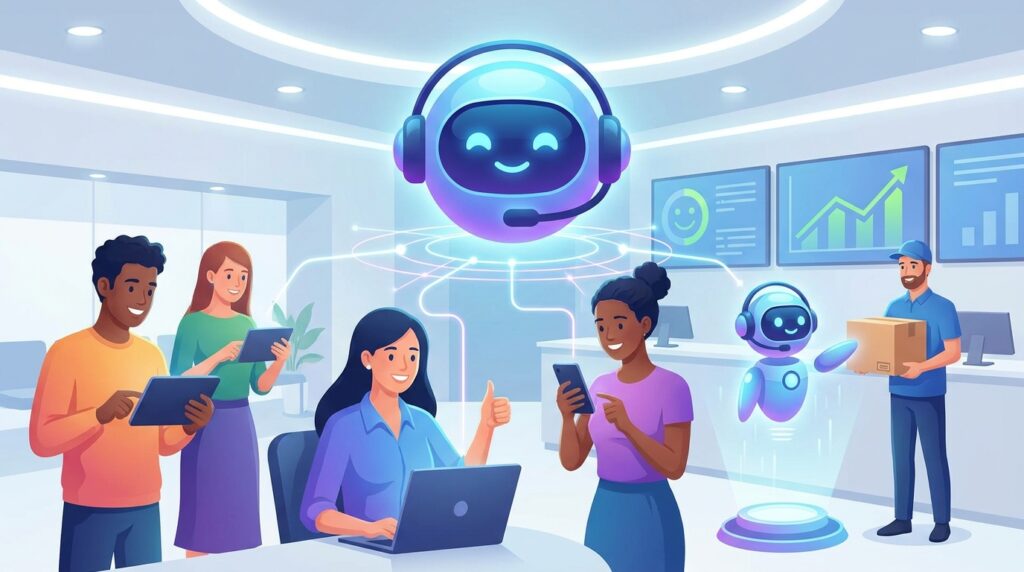
Customer experience is intrinsically linked to brand loyalty and retention. Conversational agents, powered by natural language processing (NLP), have transformed the way businesses handle customer inquiries. Unlike traditional support teams, chatbots are available 24/7, providing instant answers to frequently asked questions, tracking orders, and guiding users through basic troubleshooting processes.
Modern conversational bots are far more sophisticated than their rule-based predecessors. They can understand context, interpret intent, and even recognize customer sentiment. This allows them to handle complex conversations fluidly. Crucially, when a chatbot encounters an issue it cannot resolve, it can seamlessly escalate the conversation to a human agent, providing the representative with the full context of the interaction. This hybrid approach ensures rapid response times while maintaining a high standard of care.
Gaining Deep Insights with Predictive Analytics

Data is often described as the new oil, but raw data is useless without the means to refine it. Predictive analytics engines sift through massive datasets to identify trends and forecast future outcomes. For marketers, this means moving from reactive strategies to proactive planning.
For example, predictive models can analyze customer behavior to identify individuals who are at a high risk of churning. Armed with this foresight, marketing teams can deploy targeted retention campaigns—such as special discount offers or personalized check-ins—before the customer actually leaves. Similarly, these analytics can forecast future demand for specific products, helping businesses optimize their inventory and tailor their promotional calendars accordingly. When you fully understand how to use ai tools in marketing, predictive analytics becomes your crystal ball for strategic, long-term growth.
Best Practices for Implementing Artificial Intelligence
While the benefits are substantial, integrating new technology into existing workflows requires careful planning. It is generally advisable to start small. Identify one specific bottleneck or inefficiency in your current processes—such as email optimization or initial content drafting—and implement a solution targeted specifically at that problem. Once you have demonstrated success and gained familiarity with the technology, you can gradually expand its application to other areas of your business.
Furthermore, the effectiveness of any algorithm is fundamentally dependent on the quality of the data it is trained on. Ensure that your customer databases are clean, organized, and free of silos. Investing in data hygiene is a critical prerequisite for successful machine learning implementation.
Ethical Considerations and Transparency

As you adopt these advanced technologies, ethical considerations must remain at the forefront of your strategy. Data privacy is paramount; always ensure that your data collection and processing methods comply with relevant regulations, such as GDPR or CCPA. Be transparent with your audience about your use of automation, particularly when they are interacting with chatbots or receiving algorithmic recommendations. Finally, regularly audit your algorithms for unintended biases to ensure that your messaging remains inclusive, fair, and equitable.
Conclusion
The digital landscape is evolving at breakneck speed, and those who fail to adapt risk being left behind. By intelligently applying these innovations across content creation, advertising, personalization, and analytics, businesses can unlock unprecedented levels of efficiency and growth. The goal is not to replace human ingenuity, but to empower it with superhuman analytical capabilities. Start exploring these platforms today, test their impact on your campaigns, and prepare to elevate your brand’s digital presence to new heights. The future of digital strategy is already here, and it is automated, intelligent, and highly personalized.