

Table of Contents
How to Do SEO Optimization: A Complete Beginner-to-Advanced Guide
Introduction: Why Learning How to Do SEO Optimization Matters

In today’s digital-first environment, understanding how to do SEO optimization is not optional—it’s essential. Whether you run a business website, a blog, or an eCommerce store, mastering SEO optimization helps you improve visibility, increase traffic, and generate consistent organic growth. Search engines like Google prioritize relevant, high-quality content, and knowing SEO optimization ensures your content aligns with these ranking factors.
This guide will walk you through everything you need to know about how to do SEO optimization, from basic principles to actionable strategies you can implement immediately.
What is SEO Optimization?
Before diving deeper into SEO optimization, it’s important to understand what SEO actually means. SEO (Search Engine Optimization) is the process of improving your website so that it ranks higher in search engine results pages (SERPs). Learning how to do SEO optimization involves both technical and creative elements, including keyword usage, content quality, website speed, and backlinks.
When done correctly, SEO optimization allows your content to reach the right audience at the right time without relying on paid advertising.
Keyword Research: The Foundation of SEO

The first step in learning how to do SEO optimization is keyword research. Keywords are the phrases users type into search engines. Identifying the right keywords ensures your content matches user intent.
To effectively understand how to do SEO optimization, you should:
- Use tools like Google Keyword Planner or Ubersuggest
- Focus on long-tail keywords
- Analyze competitor keywords
For this blog, the focus keyword is how to do SEO optimization, which should be naturally integrated throughout the content.
On-Page SEO: Optimizing Your Content

A major part of how to do SEO optimization is on-page SEO. This includes optimizing elements within your website.
1. Title Tags and Meta Descriptions
Your title should include how to do SEO optimization and be compelling enough to attract clicks.
2. Headings Structure
Use H1, H2, and H3 tags properly. Structuring your content helps search engines understand how to do SEO optimization in your context.
3. Keyword Placement
Strategically place how to do SEO optimization in:
- Introduction
- Headings
- Body paragraphs
- Conclusion
Avoid keyword stuffing—your usage must remain natural.
4. Content Quality
Google prioritizes valuable content. Writing detailed and informative articles about how to do SEO optimization improves ranking chances.
Technical SEO: Behind-the-Scenes Optimization

Understanding how to do SEO optimization also involves technical aspects that improve website performance
1. Website Speed
A slow website negatively impacts rankings. Optimize images, use caching, and choose a fast hosting provider.
2. Mobile-Friendliness
Since most users browse on mobile, learning how to do SEO optimization includes ensuring responsive design.
3. URL Structure
Keep URLs clean and keyword-rich. Example: “yourwebsite.com/how-to-do-seo-optimization"
4. XML Sitemap and Robots.txt
These help search engines crawl your website efficiently, which is crucial when applying how to do SEO optimization techniques.
Off-Page SEO: Building Authority

Another essential component of how to do SEO optimization is off-page SEO, which focuses on external factors.
1. Backlinks
High-quality backlinks signal trust and authority. When other websites link to your content about how to do SEO optimization, your credibility increases.
2. Social Signals
Sharing content on social platforms indirectly boosts SEO performance.
3. Guest Posting
Writing for other blogs helps expand reach and reinforces your expertise in how to do SEO optimization.
Content Optimization: Writing for Users and Search Engines

Content plays a central role in how to do SEO optimization. Your content must be both user-friendly and search-engine-friendly.
Key Practices:
- Use simple and clear language
- Break content into short paragraphs
- Include bullet points for readability
- Add internal links
High-quality content that explains how to do SEO optimization thoroughly will naturally perform better in rankings.
User Experience (UX) and SEO
Google considers user experience when ranking websites. A smooth UX is critical in how to do SEO optimization.
Important UX Factors:
- Easy navigation
- Fast loading time
- Clear call-to-action
- Low bounce rate
When users stay longer on your page, it signals that your content on how to do SEO optimization is valuable.
Common Mistakes to Avoid
While learning how to do SEO optimization, avoid these mistakes:
- Keyword stuffing
- Ignoring mobile optimization
- Using duplicate content
- Neglecting technical SEO
- Poor internal linking
Avoiding these ensures your efforts in how to do SEO optimization deliver measurable results
Tools to Improve SEO Optimization
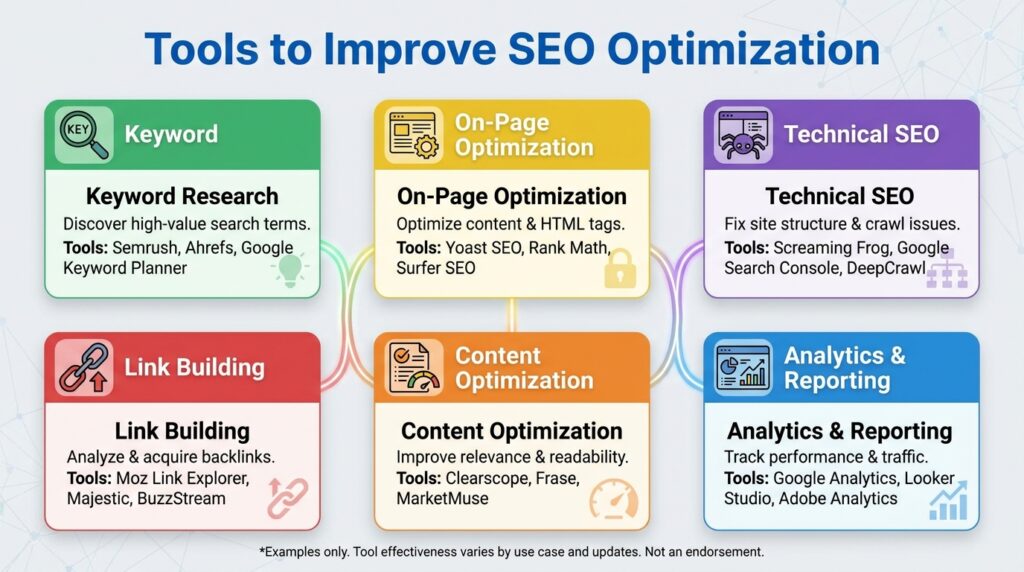
To master how to do SEO optimization, leverage the right tools:
- Google Analytics
- Google Search Console
- Ahrefs
- SEMrush
- Yoast SEO
These tools help analyze performance and refine your strategy for how to do SEO optimization.
Conclusion: Mastering SEO for Long-Term Success

Learning how to do SEO optimization is a continuous process that evolves with search engine algorithms. By focusing on keyword research, high-quality content, technical improvements, and user experience, you can build a strong online presence.
The key to mastering how to do SEO optimization is consistency. Implement these strategies regularly, track your performance, and adapt as needed. Over time, your efforts in SEO optimization will result in higher rankings, increased traffic, and better engagement.
If you apply everything discussed in this guide on how to do SEO optimization, you’ll be well-positioned to achieve sustainable digital growth.